
Have you ever wondered what makes tritium glow so brightly in the dark? Whether you’ve seen it in watches, safety signs, or even diving equipment, tritium has a unique way of producing light without batteries or electricity.
Understanding how tritium works can change the way you see everyday objects around you. You’ll discover the fascinating science behind this glowing element and why it’s trusted for long-lasting illumination. Keep reading to unlock the secrets of tritium and learn how it can light up your world.
Tritium Basics
Tritium is a special kind of hydrogen. It glows softly in the dark. This glow helps in many uses, such as watch dials and exit signs.
Understanding tritium starts with knowing what it is and where it comes from. These basics reveal why it is useful and unique.
What Is Tritium
Tritium is a rare form of hydrogen. It has one proton and two neutrons in its nucleus. This makes it heavier than normal hydrogen.
Tritium is radioactive. It slowly gives off tiny particles called beta particles. This release creates the light glow.
Natural Occurrence And Production
Tritium is found naturally in small amounts in the atmosphere. Cosmic rays from space produce it when they hit nitrogen atoms.
Most tritium used today is made in labs. Nuclear reactors produce it by bombarding lithium or heavy water. This method gives enough tritium for commercial use.

The Science Behind Tritium Glow
Tritium is a special element that glows without needing light. This glow helps in many tools like watches and signs. Understanding how this glow happens needs a look at some science facts. Tritium’s glow comes from a mix of tiny particles and special materials working together.
Radioactive Properties
Tritium is a radioactive form of hydrogen. It has one proton and two neutrons in its nucleus. This makes tritium unstable and causes it to break down slowly. The glow comes from this breakdown process. Tritium releases energy as it changes into a more stable form.
Beta Decay Process
Tritium loses energy by a process called beta decay. It sends out a small particle called a beta particle. This particle is an electron that moves at high speed. Beta particles cannot travel far and are safe in small amounts. Their energy is enough to make certain materials glow.
Phosphorescent Materials Interaction
Tritium’s beta particles hit phosphorescent materials. These materials absorb the energy from the particles. Then, they release this energy as visible light. This light is the soft glow seen in tritium products. The glow lasts for many years without fading quickly.
Applications Of Tritium
Tritium is a special kind of hydrogen that glows in the dark. This glow happens without needing any electricity. This unique feature makes tritium useful in many areas. It helps create tools and devices that work even in low light or no light at all.
Its glow is safe and lasts a long time. This makes it perfect for many important uses. Let’s explore some key applications of tritium.
Self-luminous Devices
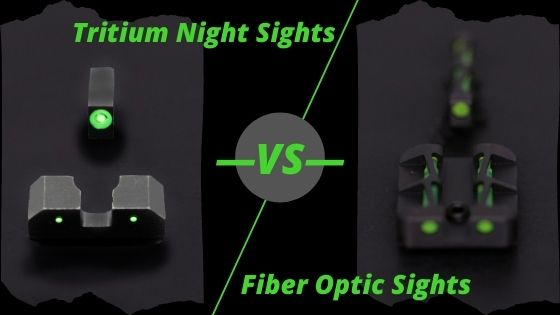
Tritium is often used in self-luminous devices. These devices glow without batteries or power. Examples include watch dials, exit signs, and gun sights. The glow from tritium helps people see clearly in the dark. It is reliable and does not need charging.
Safety And Military Uses
Safety tools use tritium for visibility in the dark. Emergency exit signs in buildings often contain tritium. This helps people find their way during power outages. The military also uses tritium in night-vision equipment. It helps soldiers see without using bright lights. This keeps their position hidden.
Medical And Scientific Tools
Scientists use tritium in research and medicine. It helps track how drugs move inside the body. Tritium’s glow allows easy monitoring of chemical changes. It is also used in some medical imaging techniques. These uses improve diagnosis and treatment methods.
Tritium Vs Other Light Sources
Tritium is a special light source that glows without electricity. It works differently from common lights like LED and fluorescent bulbs. This section explains how tritium compares to these other lights. Understanding the differences helps you see where tritium fits best.
Tritium is often used in places where power is not available or where long-lasting light is needed. Comparing it with LED and fluorescent lights shows its unique features and limits.
Comparison With Led And Fluorescent Lights
LED lights use electricity to create bright, energy-efficient light. Fluorescent lights also need power and use mercury vapor inside tubes. Tritium glows naturally from radioactive decay, so it does not need power.
LED and fluorescent lights can be very bright and can change color easily. Tritium glows with a steady, soft light that cannot be turned off. It works well in small devices like watch dials and exit signs.
LED and fluorescent lights last for thousands of hours but will eventually burn out. Tritium can glow continuously for up to 12 years without replacement. This makes it very useful for hard-to-reach places.
Advantages And Limitations
Tritium’s main advantage is its long-lasting, self-powered glow. It needs no batteries or wiring. It works well in dark conditions and extreme weather. Tritium is also safe in sealed containers.
On the downside, tritium’s light is dimmer than LED or fluorescent lights. It cannot be brightened or dimmed. The glow color options are limited, usually green or blue-green.
Handling tritium requires care because it is radioactive, though the risk is low if sealed. Disposal rules are strict to protect the environment. LED and fluorescent lights do not have these safety concerns.
Safety And Environmental Impact
Tritium is a radioactive form of hydrogen. It emits low-energy radiation, which raises safety questions. Understanding its safety and environmental impact is important. This section explains key safety measures and environmental concerns linked to tritium use.
Radiation Safety Measures
Tritium emits beta particles that cannot penetrate human skin. This makes it less dangerous than other radioactive materials. However, inhaling or ingesting tritium can be harmful. Proper handling and storage reduce exposure risks.
Workers use protective gear to avoid contact with tritium. Facilities have strict rules to monitor radiation levels. Regular checks ensure that tritium stays contained. These steps prevent accidents and protect health.
Environmental Concerns
Tritium can enter water sources if not managed well. It dissolves easily in water, spreading quickly in the environment. Small amounts of tritium in water are usually not harmful. Large releases can affect ecosystems and drinking water.
Safe disposal methods limit tritium release into nature. Agencies set strict limits on how much tritium can enter the environment. These rules help protect plants, animals, and people. Ongoing research works to improve tritium safety further.
Future Of Tritium Technology
The future of tritium technology holds many possibilities. Scientists and engineers are exploring new ways to use tritium safely and efficiently. This research aims to improve current methods and find new uses. Innovations in tritium could make it more accessible and practical in daily life.
Innovations In Tritium Use
Researchers are developing better tritium light sources. These lights last longer and use less energy. New materials help contain tritium more securely. This reduces risks and waste. Improvements in tritium batteries may provide longer power for devices. Such advances can benefit medical tools and safety signs.
Potential New Applications
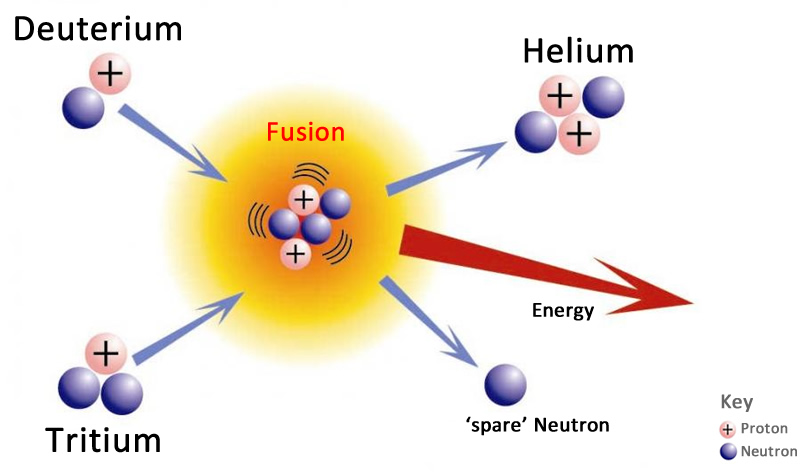
Tritium could play a role in clean energy. Scientists study its use in fusion reactors for power generation. The element might also improve sensors in cars and planes. Tritium-based devices can work without external power. This makes them useful in remote or emergency situations. These new applications could make tritium more common worldwide.
Frequently Asked Questions
What Is Tritium And How Does It Work?
Tritium is a radioactive isotope of hydrogen. It emits low-energy beta particles that cause phosphors to glow, creating light without electricity. This process powers self-luminous devices like watch dials and exit signs, offering long-lasting illumination in dark environments.
How Is Tritium Used In Everyday Products?
Tritium is used in watch hands, exit signs, and gun sights. It provides continuous light without batteries or external power. Its glow lasts for years, making it ideal for safety and visibility in low-light conditions.
Is Tritium Safe For Human Exposure?
Tritium emits weak beta radiation that cannot penetrate the skin. It is generally safe when contained in sealed devices. However, ingestion or inhalation of tritium gas or liquid can pose health risks, so proper handling is essential.
How Long Does Tritium Illumination Last?
Tritium illumination typically lasts about 10 to 12 years. Its brightness gradually decreases as tritium decays. After this period, the glow dims significantly, but the device remains functional until tritium fully decays.
Conclusion
Tritium works by emitting low-energy light through radioactive decay. This process creates a steady glow without needing electricity. It lasts for many years and is safe when used properly. Tritium’s glow helps in watches, signs, and instruments. Its simple, reliable function makes it useful in many fields.
Understanding how tritium works helps appreciate its value. A small, glowing element with big uses. Clear, constant light with no power source needed. That’s the power of tritium.