
Have you ever wondered how tritium is made and why it’s so important? Whether you’re curious about its use in glowing watch dials or advanced scientific research, understanding how to make tritium can unlock fascinating insights.
You’ll discover the simple facts behind tritium production, why it matters to you, and how this unique substance powers some of the coolest technologies around. Keep reading, and you’ll see just how accessible this topic really is.
Basics Of Tritium
Tritium is a special type of hydrogen. It has unique features that set it apart. Understanding tritium basics helps explain its uses and importance.
This section covers what tritium is, where it is used, and its main properties. This knowledge is key for anyone interested in science or technology.
What Is Tritium
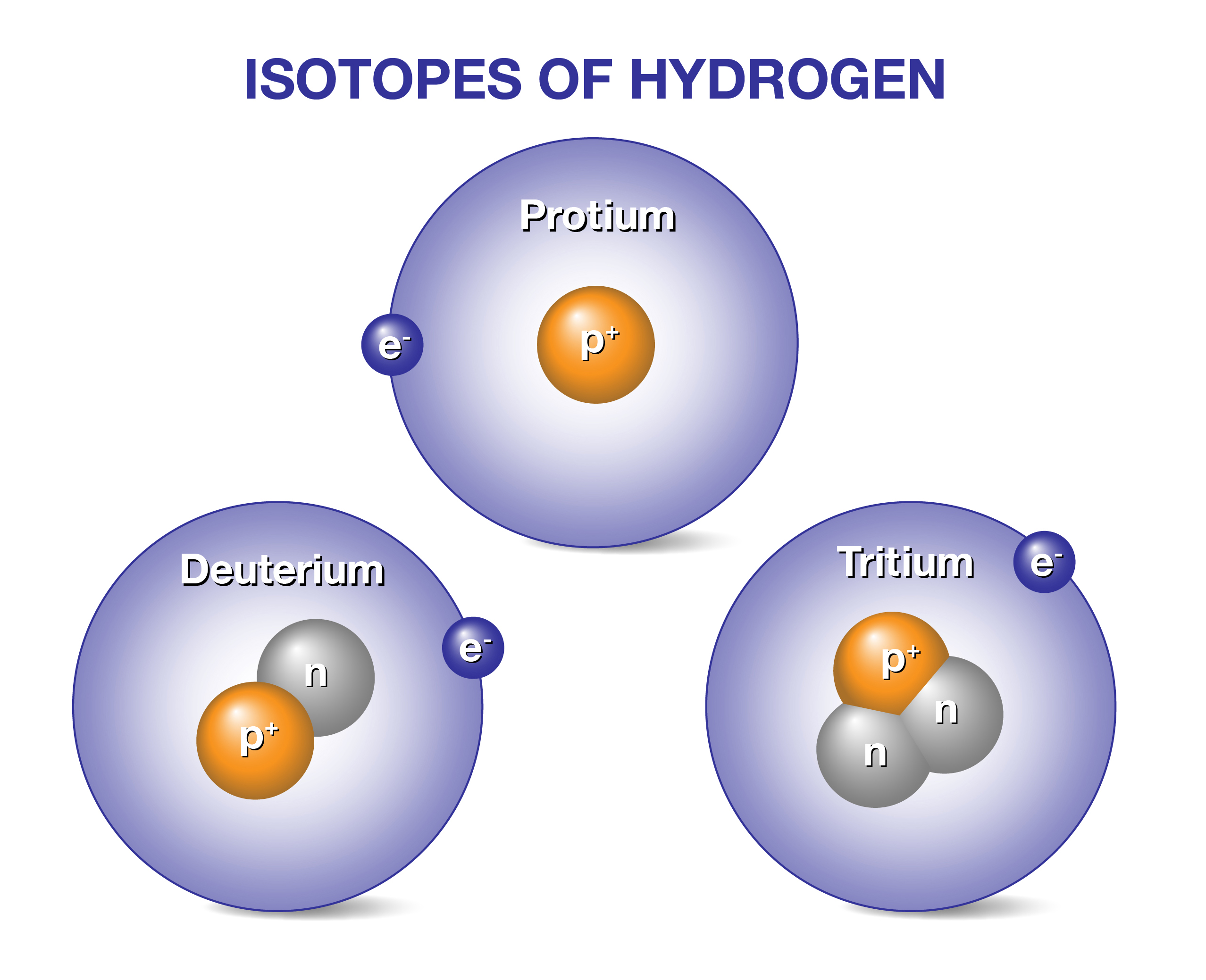
Tritium is a radioactive form of hydrogen. It has one proton and two neutrons in its nucleus. This makes it heavier than normal hydrogen.
Tritium naturally forms in the upper atmosphere. It also appears during some nuclear reactions. Its radioactive nature means it slowly loses energy over time.
Common Uses Of Tritium
Tritium is often used in glowing devices. Watches, exit signs, and gun sights use it for light. It glows without needing batteries or electricity.
Scientists use tritium as a tracer in research. It helps track chemical and biological processes. It also plays a role in nuclear fusion experiments.
Properties And Characteristics
Tritium emits weak radiation called beta particles. This radiation cannot pass through skin but can be harmful if ingested. It has a half-life of about 12 years.
Tritium is a gas at room temperature. It mixes easily with other gases. Its glow comes from its radioactive decay, which excites phosphor materials.

Sources Of Tritium
Tritium is a rare and special form of hydrogen. It has one proton and two neutrons in its nucleus. Understanding where tritium comes from helps us learn how to make and use it. Tritium can be found naturally and can also be made by humans. There are a few main sources of tritium. These sources include natural processes, industrial methods, and nuclear reactions.
Natural Occurrence
Tritium forms naturally in the upper atmosphere. Cosmic rays hit nitrogen atoms and create tritium. This tritium then mixes with water in the air. It enters oceans, lakes, and rivers. The amount of natural tritium is very small. It slowly decays over time, so it does not build up.
Industrial Production
Industries produce tritium for scientific and commercial use. One way is by bombarding lithium with neutrons. This method creates tritium and helium. Tritium is also collected from heavy water reactors. Plants extract tritium from the water that cools the reactors. These processes produce tritium in controlled amounts for use.
Nuclear Reactions
Nuclear reactions are a major source of tritium. In nuclear reactors, neutrons react with lithium or boron to make tritium. Fusion experiments also produce tritium. Scientists use tritium as fuel in fusion reactors. These reactions help create tritium for research and energy production.
Safe Production Techniques
Producing tritium safely is a critical concern in nuclear science. The methods used focus on controlling radiation and minimizing risk to workers and the environment. Safe production involves precise techniques and strict safety protocols.
Each method has its own advantages and safety measures. Understanding these helps in choosing the best approach for tritium production.
Neutron Activation Method
This method uses neutron radiation to convert lithium or other materials into tritium. It happens inside a nuclear reactor. The process is controlled to avoid excess radiation exposure.
Special shielding protects workers from neutrons. The materials are handled in sealed containers to stop leaks. Monitoring systems track radiation levels continuously.
Heavy Water Reactors
Heavy water reactors use heavy water as a coolant and neutron moderator. These reactors produce tritium by irradiating lithium targets. The design helps contain radioactive materials safely.
Operators follow strict rules to manage waste and prevent contamination. Safety systems automatically shut down the reactor if needed. Regular inspections ensure all equipment functions correctly.
Particle Accelerators
Particle accelerators produce tritium by bombarding targets with high-energy particles. This process occurs in controlled laboratory environments. The facility design limits radiation exposure outside the accelerator.
Shielding and remote handling tools protect workers. Air filtration systems prevent radioactive particles from spreading. Continuous monitoring ensures the safe operation of the equipment.
Equipment And Materials
Making tritium requires specific equipment and materials. These items help ensure the process is safe and effective. Knowing what tools and safety gear to use is very important. The right setup keeps you protected and helps handle radioactive materials carefully.
Required Tools
You need special tools to make tritium. A neutron source is essential to create tritium from lithium or hydrogen. Precision glassware helps contain the reactions safely. Instruments to measure radiation levels ensure control over the process. A sealed reaction chamber prevents leaks and contamination. These tools must be high quality and reliable.
Handling Radioactive Materials
Radioactive materials require careful handling. Always use equipment designed for radiation work. Store materials in shielded containers to reduce exposure. Use remote handling tools to avoid direct contact. Keep work areas clean and free of clutter. Follow strict protocols to avoid accidents or spills. Proper labeling of all radioactive items is critical.
Safety Gear Essentials
Safety gear protects you from radiation and chemicals. Wear a lead apron or vest for shielding. Use gloves made of radiation-resistant material. Safety goggles protect your eyes from splashes and debris. Respirators prevent inhaling harmful particles. Use a dosimeter to monitor radiation exposure levels. Always wear protective clothing that covers your skin fully.
Safety Protocols
Safety is the top priority when making tritium. This element emits low-level radiation, which requires careful handling. Strict safety protocols help protect workers and the environment. Clear rules and equipment reduce risks and keep the process safe.
Radiation Protection
Wear protective clothing and gloves at all times. Use lead shields or barriers to block radiation. Monitor radiation levels with special devices. Limit the time spent near tritium sources. Keep a safe distance whenever possible. Train all staff on radiation hazards and safe handling.
Waste Management
Collect all tritium waste in secure containers. Label waste clearly to avoid confusion. Store waste in approved, shielded areas. Follow local laws for disposal and transport. Regularly inspect waste storage for leaks. Keep detailed records of waste amounts and movements.
Emergency Procedures
Have clear steps ready for spills or leaks. Evacuate the area quickly if needed. Use spill kits designed for radioactive materials. Alert safety officers and follow their instructions. Provide medical help immediately if exposure occurs. Conduct regular drills to keep staff prepared.
Legal And Regulatory Considerations
Handling tritium involves strict legal and regulatory rules. These rules protect people and the environment from risks. Understanding these laws is important before making or using tritium. This section explains key legal points to consider.
Licensing Requirements
Producing or owning tritium needs a special license. Authorities check if the applicant meets safety standards. The license ensures proper handling and storage. Operating without a license can lead to fines or legal action. Always apply for the correct permits before starting any work.
Transport Regulations
Moving tritium requires following strict transport rules. These rules limit how much tritium can be carried at once. Containers must be labeled clearly and securely sealed. Transporters must have training on handling radioactive materials. These steps reduce accidents and exposure risks during transport.
International Guidelines
Different countries follow global rules on tritium use. The International Atomic Energy Agency (IAEA) sets safety standards. These guidelines cover production, storage, and disposal. Following international rules helps prevent environmental damage worldwide. Check local laws alongside these global standards before working with tritium.
Common Challenges And Solutions
Making tritium involves some tough problems. These challenges can slow the process or cause safety issues. Knowing these problems and how to fix them helps make the process safer and smoother.
Below are some common issues people face while making tritium and simple ways to handle them.
Contamination Risks
Contamination happens when tritium mixes with unwanted materials. This can make the tritium less pure and dangerous.
To stop contamination, use clean tools and work in sealed rooms. Always wear protective gear to avoid spreading radioactive particles. Regularly check for leaks and clean surfaces.
Equipment Failures
Equipment can break or stop working during tritium production. This can cause delays or accidents.
Keep equipment in good shape with regular checks and repairs. Use backup machines to avoid stopping the work. Train workers to spot early signs of problems.
Disposal Issues
Tritium waste is harmful and hard to throw away safely. Improper disposal can hurt people and the environment.
Follow strict rules for waste storage and disposal. Use special containers that block radiation. Work with licensed waste handlers to ensure safe removal.
Future Trends In Tritium Production
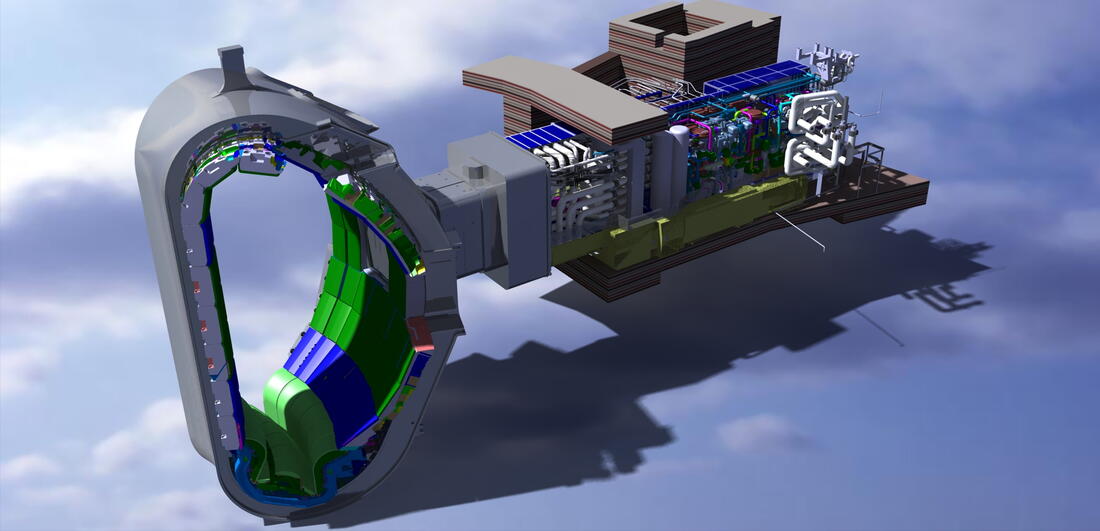
The future of tritium production holds exciting possibilities. New methods aim to increase efficiency and reduce costs. Advances in science and technology will shape the next steps in making tritium.
Environmental concerns push for cleaner, greener ways to produce this isotope. Researchers work on solutions that balance supply and safety. Understanding these trends helps us see where tritium production is headed.
Innovative Technologies
New machines use less energy and produce more tritium. Some techniques involve advanced reactors and lasers. These tools improve the speed and purity of tritium creation. Automation also plays a role in reducing human error. Innovation keeps production moving forward efficiently.
Sustainable Practices
Producers focus on cutting waste and emissions. Recycling materials and using renewable energy are common ideas. Safe disposal of radioactive byproducts is a top priority. Sustainable methods protect the environment and meet regulations. This approach ensures tritium can be made responsibly.
Research Developments
Scientists study new materials that could boost tritium yield. Experiments explore safer and cheaper production methods. International teams share data to solve key challenges. Ongoing research promises steady improvements in tritium supply. Keeping up with these studies is vital for progress.
Frequently Asked Questions
What Is Tritium And Its Common Uses?
Tritium is a radioactive isotope of hydrogen. It’s used in self-luminous devices, nuclear fusion, and scientific research. Its glow helps in watch dials and exit signs.
How Is Tritium Naturally Produced?
Tritium forms naturally in the upper atmosphere. Cosmic rays interact with nitrogen atoms, creating tritium. It then enters water cycles and living organisms.
Can Tritium Be Artificially Made?
Yes, tritium is produced artificially in nuclear reactors. Neutrons bombard lithium or heavy water, generating tritium. This process supplies tritium for industrial and medical uses.
Is Making Tritium Safe For The Environment?
Artificial tritium production involves radiation risks. Proper safety measures and containment minimize environmental impact. Controlled facilities ensure safe handling and disposal of radioactive materials.
Conclusion
Making tritium requires careful steps and proper equipment. Safety is very important throughout the process. Understanding the basic science helps you follow the method easily. Always handle materials with caution to avoid risks. This guide gives a clear start to making tritium.
Keep learning and practicing to improve your skills. Stay safe and work smart for good results.