
Have you ever wondered if tritium is dangerous to you or your family? Tritium sounds like a complex scientific term, but it’s closer to your everyday life than you might think.
Whether you’ve seen it glowing in watches or heard about it in news stories, it’s natural to ask: is this substance safe? Understanding the real risks and facts about tritium can help you make smarter decisions and ease any worries you might have.
Keep reading, and you’ll discover exactly what tritium is, how it affects you, and why it may not be as scary as it sounds.
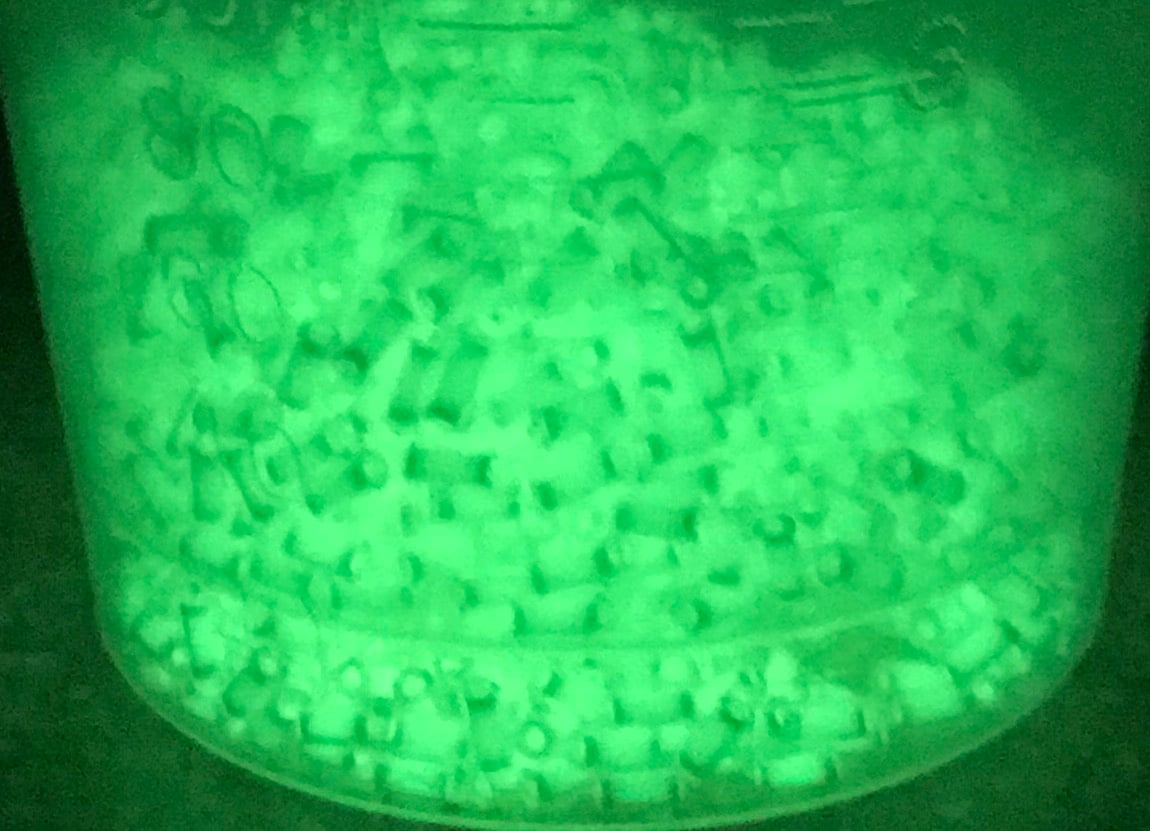
What Is Tritium
Tritium is a rare form of hydrogen. It is a radioactive isotope. Scientists study it for many uses, including nuclear energy and medicine. Understanding tritium helps answer questions about safety and risks.
What Is Tritium Chemically?
Tritium has one proton and two neutrons in its nucleus. Normal hydrogen has no neutrons. This extra weight makes tritium unstable. It slowly breaks down, releasing radiation.
Where Does Tritium Come From?
Tritium forms naturally in the upper atmosphere. Cosmic rays hit nitrogen atoms and create tritium. It also appears in nuclear reactors and some weapons tests. People produce tritium for scientific and industrial uses.
How Does Tritium Behave?
Tritium acts like normal hydrogen in water and air. It can combine with oxygen to form tritiated water. This water moves through the environment like regular water. It can enter plants and animals easily.
Sources Of Tritium Exposure
Tritium is a radioactive form of hydrogen found in different places. People can come into contact with tritium from natural and man-made sources. Understanding these sources helps to know if tritium is dangerous and how exposure happens.
Natural Occurrence
Tritium forms naturally in the atmosphere. Cosmic rays from space hit nitrogen atoms and create tritium. This tritium mixes with water in rain and oceans. The amount is very small and usually not harmful. Plants and animals absorb it as part of water. This natural tritium stays at low levels in the environment.
Industrial And Medical Uses
Industries use tritium for special purposes. It appears in self-lighting devices like watch dials and exit signs. Tritium glows without electricity. Medical research uses tritium to track chemical changes in the body. Nuclear power plants also produce tritium as a byproduct. Workers near these plants might have higher exposure. Strict rules control tritium use to keep people safe.
How Tritium Affects Health
Tritium is a radioactive form of hydrogen. It can affect health depending on how much and how often a person is exposed. Understanding its impact helps people stay safe around it. The risk mainly depends on the type of radiation tritium emits and how it enters the body.
Radiation Type And Intensity
Tritium emits beta radiation, which is weak. This radiation cannot penetrate the skin deeply. It poses little risk outside the body. The energy level of tritium’s radiation is low. It loses energy quickly and cannot travel far in the air. This limits its ability to harm tissues unless inside the body.
Exposure Pathways
Tritium enters the body mainly through breathing, drinking, or skin contact. It mixes easily with water because it is a form of hydrogen. Drinking water or food contaminated with tritium is the main exposure route. Once inside, it spreads quickly in body fluids. The body eliminates tritium fairly fast, usually within days.
Exposure through skin contact is less dangerous. Tritium’s weak radiation cannot penetrate the outer skin layer. Breathing tritium gas is possible but rare. Safety measures in workplaces reduce this risk. Overall, tritium is more harmful inside the body than outside.

Environmental Impact Of Tritium
Tritium is a radioactive form of hydrogen found in small amounts naturally. It can enter the environment through human activities. Understanding its environmental impact is important for safety and health. Tritium behaves differently than other radioactive materials because it often binds with water.
This unique behavior means tritium can spread easily in the environment. It can move through water, air, and soil. Its impact depends on how much is released and where. Here are the main ways tritium affects the environment.
Water Contamination
Tritium mixes with water to form tritiated water. This type of water moves like regular water in rivers, lakes, and groundwater. It can travel long distances and enter drinking water supplies.
Even low levels of tritium can raise safety concerns. Water contamination is a key issue near nuclear plants and facilities using tritium. Monitoring and controlling releases help reduce risks.
Airborne Release
Tritium can also be released into the air as a gas. It spreads through the atmosphere and can deposit back to the ground with rain. This cycle can spread tritium over wide areas.
Airborne tritium typically dilutes quickly but can affect nearby plants and animals. Proper handling and containment reduce the chance of harmful releases.
Safety Standards And Regulations
Safety standards and regulations control the use of tritium to protect people and the environment. These rules limit exposure and set clear guidelines for handling tritium safely. Agencies worldwide work to monitor tritium levels and enforce these safety measures strictly.
Government Guidelines
Governments create strict rules about tritium use and release. Limits on radiation exposure protect workers and the public. Regulatory bodies require regular testing and reporting of tritium levels. These rules help prevent harmful exposure and environmental damage. Public safety remains the top priority in all regulations.
Workplace Safety Measures
Workplaces using tritium follow strict safety protocols. Protective gear reduces workers’ exposure to radiation. Training ensures employees understand risks and safety steps. Facilities use containment systems to control tritium leaks. Regular inspections verify safety measures are effective and up to date.

Risk Comparison With Other Radioisotopes
Understanding the risks of tritium compared to other radioisotopes helps put its danger in context. Radioisotopes vary widely in how they affect health and the environment. Tritium is a weak beta emitter with low energy. This makes it less harmful than many other radioactive substances.
Comparing these risks can clarify why tritium is often seen as safer. It also guides safe handling and regulation practices. Here are some key comparisons with common radioisotopes.
Radiation Type And Energy Levels
Tritium emits low-energy beta particles. These particles cannot penetrate skin or paper. Other isotopes like cesium-137 and iodine-131 emit stronger radiation. Their particles can penetrate tissues and cause more damage. Low energy means tritium poses less external risk.
Half-life And Persistence
Tritium’s half-life is about 12 years. It decays relatively quickly compared to uranium or plutonium. Longer half-lives mean radioisotopes stay dangerous for centuries. Short half-life reduces long-term environmental risks.
Biological Impact And Exposure Routes
Tritium mainly enters the body through water and air. It binds weakly with molecules and leaves the body quickly. Other isotopes accumulate in organs, increasing harm. For example, strontium-90 collects in bones. This increases the chance of illness.
Environmental Mobility
Tritium easily mixes with water and moves in the environment. This can spread contamination but also dilutes it. Heavy metals like plutonium stick to soil and stay localized. This creates hotspots of contamination.
Handling And Disposal Practices
Handling and disposal of tritium require careful attention. Tritium is radioactive but emits low-energy beta particles. These particles cannot penetrate skin but can be harmful if ingested or inhaled. Proper handling reduces risks to health and the environment.
Disposal practices must follow safety guidelines. Tritium waste cannot be treated like regular trash. It needs special containment and monitoring until it decays to safe levels.
Safe Handling Procedures
Wear protective gloves and clothing when handling tritium. Avoid breaking or damaging tritium-containing items. Use tools designed for radioactive materials. Work in well-ventilated areas or fume hoods. Do not eat, drink, or smoke near tritium sources.
Storage Guidelines
Store tritium in sealed, labeled containers. Keep containers in secure, designated areas. Limit access to trained personnel only. Monitor storage areas regularly for leaks or damage. Follow regulations set by local authorities.
Disposal Methods
Dispose of tritium through licensed radioactive waste facilities. Do not throw tritium devices in regular garbage. Some items may need to be returned to the manufacturer. Document disposal actions for legal compliance. Use containers that prevent tritium release during transport.
Myths And Facts About Tritium
Tritium often causes worry because it is radioactive. Many ideas about its danger are not true. Clearing up these myths helps people understand tritium better. Facts show how safe or risky tritium really is.
This section separates myths from facts. It explains what tritium really does and does not do. The truth can calm fears and give clear knowledge.
Myth: Tritium Is Highly Toxic
Many think tritium is very poisonous. Tritium is a weak radioactive form of hydrogen. It emits low-energy beta particles. These particles cannot pass through skin.
Tritium is mostly safe outside the body. It becomes risky only if swallowed or inhaled. Even then, the risk is low because tritium leaves the body fast.
Myth: Tritium Causes Severe Radiation Sickness
Radiation sickness happens from strong radiation doses. Tritium’s radiation is weak and cannot cause sickness easily. Large doses of tritium are rare and controlled in labs.
Everyday exposure to tritium is far below dangerous levels. No cases show radiation sickness from normal tritium use.
Fact: Tritium Can Be Harmful If Misused
Tritium can harm if swallowed in large amounts. It can damage cells inside the body. Safety rules prevent such exposures in workplaces and public places.
Scientists monitor tritium carefully. They use protection and limits to keep people safe.
Fact: Tritium Has Useful Applications
Tritium helps in many tools and devices. It glows in the dark without electricity. This feature is useful for watches, exit signs, and instruments.
Its controlled use shows that tritium can be safe and helpful. Proper handling makes it a valuable resource.
Frequently Asked Questions
What Is Tritium And Where Is It Found?
Tritium is a radioactive isotope of hydrogen. It occurs naturally in small amounts and is also produced in nuclear reactors. It is commonly used in self-luminous devices like watch dials and exit signs.
Is Tritium Harmful To Human Health?
Tritium emits low-energy beta radiation, which cannot penetrate the skin. It is harmful only if ingested or inhaled in large amounts. Proper handling and safety measures minimize health risks.
How Does Tritium Exposure Affect The Environment?
Tritium can enter water sources and the atmosphere through industrial releases. It dilutes quickly and breaks down over time, posing minimal long-term environmental hazards when regulated.
Can Tritium Radiation Penetrate The Human Body?
No, tritium’s beta particles cannot penetrate human skin. The primary risk arises if tritium is ingested, inhaled, or absorbed through wounds, leading to internal exposure.
Conclusion
Tritium has some risks, but it is generally safe in small amounts. It does not stay long in the environment or body. People should handle it carefully and follow safety rules. Many products use tritium safely every day. Knowing the facts helps reduce fear and confusion.
Science shows tritium’s dangers are low with proper use. Stay informed and respect safety guidelines to protect yourself. Tritium is not something to ignore, but also not one to fear.