
Have you ever wondered how something as rare and powerful as tritium is made? Understanding the process behind making tritium can open your eyes to a world of science that impacts everything from energy to technology.
You’ll discover the simple steps and fascinating science that turn ordinary materials into this extraordinary isotope. Get ready to see how making tritium is not just a complex process but one that could change the way you think about energy and innovation.
Keep reading—what you learn here might surprise you.
Tritium Basics
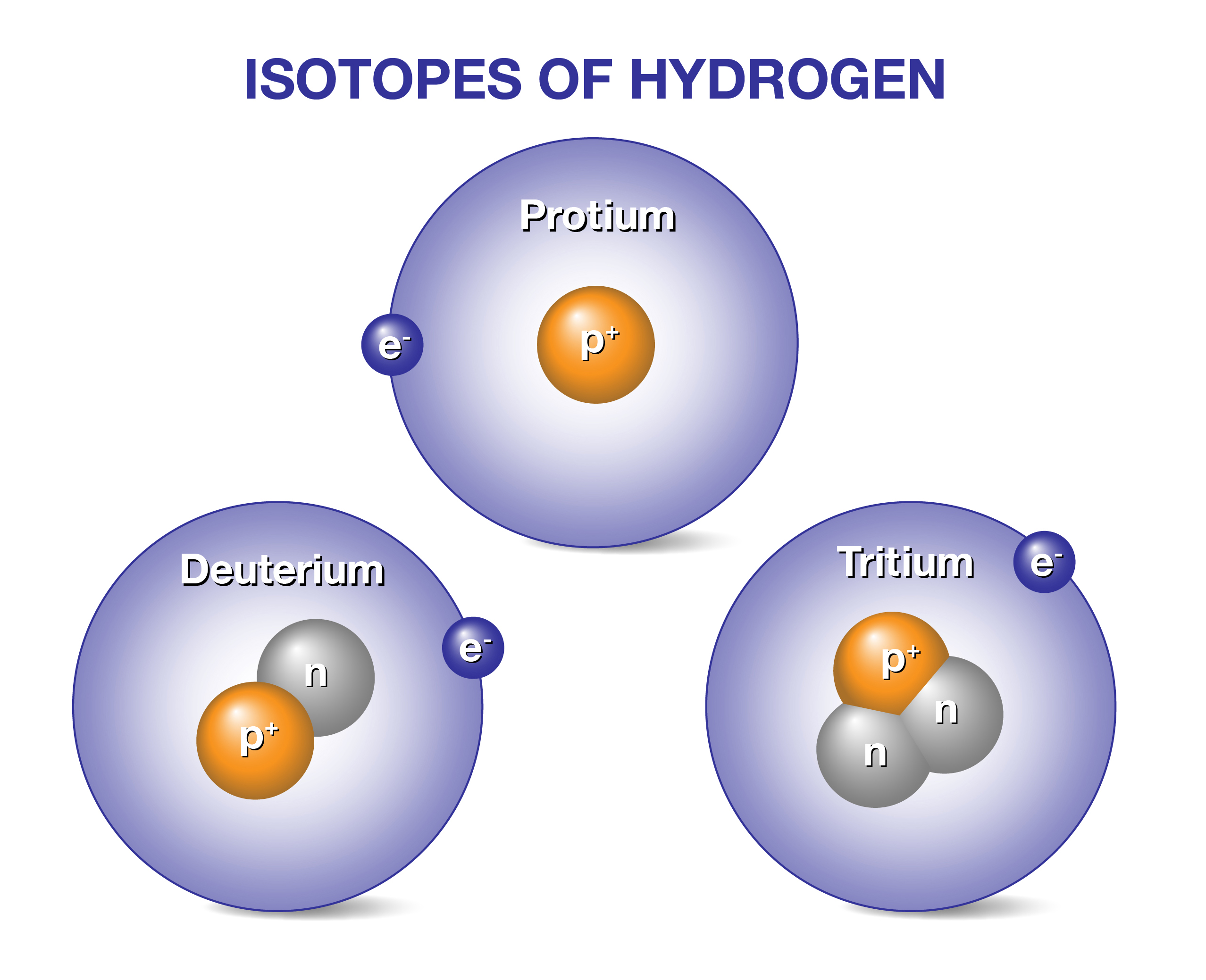
Tritium is a rare form of hydrogen. It has one proton and two neutrons in its nucleus. This makes it heavier than regular hydrogen. Tritium is radioactive and slowly breaks down over time. It emits low-energy beta particles during decay.
Because of its unique properties, tritium has special uses. It is important in science and industry. Understanding tritium helps explain how it supports technology and energy.
Properties And Uses
Tritium glows faintly in the dark. This makes it useful in glow-in-the-dark devices. Watches, exit signs, and gun sights often use tritium. It provides light without needing batteries or electricity.
Tritium also helps track chemical and biological processes. Scientists use it as a tracer to study water and air movement. Its radioactive nature helps reveal hidden details in experiments.
Role In Atomic Power
Tritium plays a key role in nuclear fusion. It combines with deuterium to release large amounts of energy. Fusion is the process that powers the sun.
In nuclear reactors, tritium can be produced as a byproduct. Some advanced reactor designs use tritium to improve efficiency. Controlling tritium is important for safe and clean energy production.
Traditional Tritium Production
Tritium is a rare and valuable form of hydrogen. It plays a key role in nuclear energy and scientific research. Producing tritium has been a complex process for many years. Scientists use specific methods to create it in controlled environments.
Traditional production relies mainly on nuclear reactors. These reactors provide the right conditions to make tritium safely and efficiently. Understanding these methods helps explain how tritium reaches the market.
Nuclear Reactor Methods
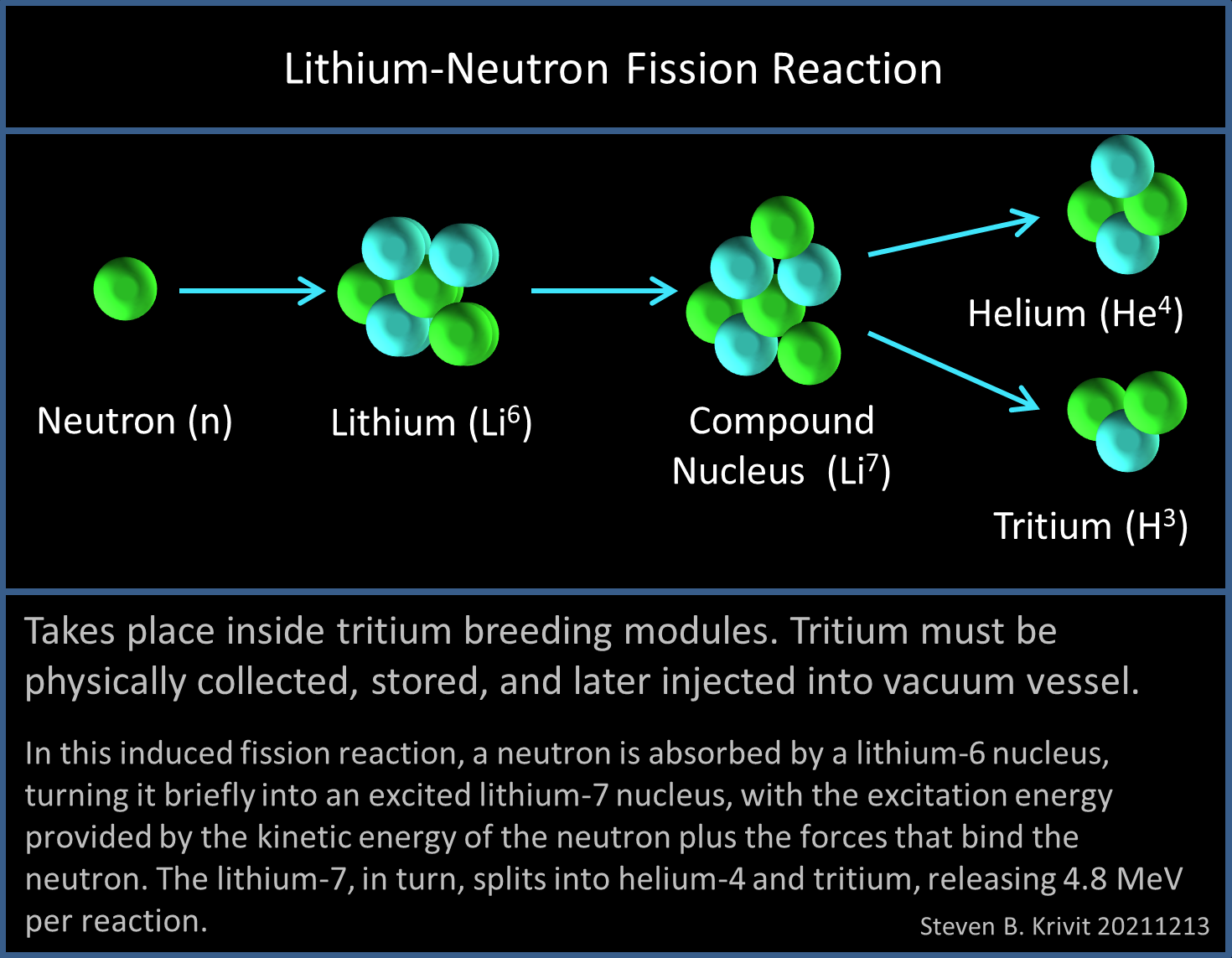
Nuclear reactors produce tritium by bombarding lithium or heavy water. Neutrons from the reactor interact with lithium-6 or deuterium atoms. This process changes these atoms into tritium.
The most common method uses lithium-6 targets placed in the reactor. Neutrons split lithium-6 atoms, releasing tritium gas. The gas is collected and purified for use.
Heavy water reactors also generate tritium as a byproduct. Heavy water contains deuterium, a hydrogen isotope. When neutrons hit heavy water, some deuterium turns into tritium.
Limitations And Challenges
Producing tritium in reactors is costly and slow. The process requires careful handling due to radioactivity. It demands advanced safety and monitoring systems.
Tritium has a short half-life of 12.3 years. This means it decays quickly and needs constant replenishment. Storage and transportation pose extra challenges.
Limited reactor availability restricts tritium supply. Only a few facilities worldwide can produce tritium. This limits its accessibility for various uses.
Innovative Production Techniques
Innovative production techniques for tritium are reshaping how this rare isotope is made. Scientists use advanced technology to improve efficiency and safety. These new methods offer cleaner and faster ways to produce tritium. They also help meet the growing demand in energy and research fields.
Accelerator-based Methods
Accelerator-based methods use particle beams to create tritium. High-energy particles hit specific targets, causing nuclear reactions. This process generates tritium without needing nuclear reactors. It reduces radioactive waste and lowers costs. These methods are flexible and can be scaled up or down. They also provide safer production compared to older techniques.
Fusion Reactor Approaches
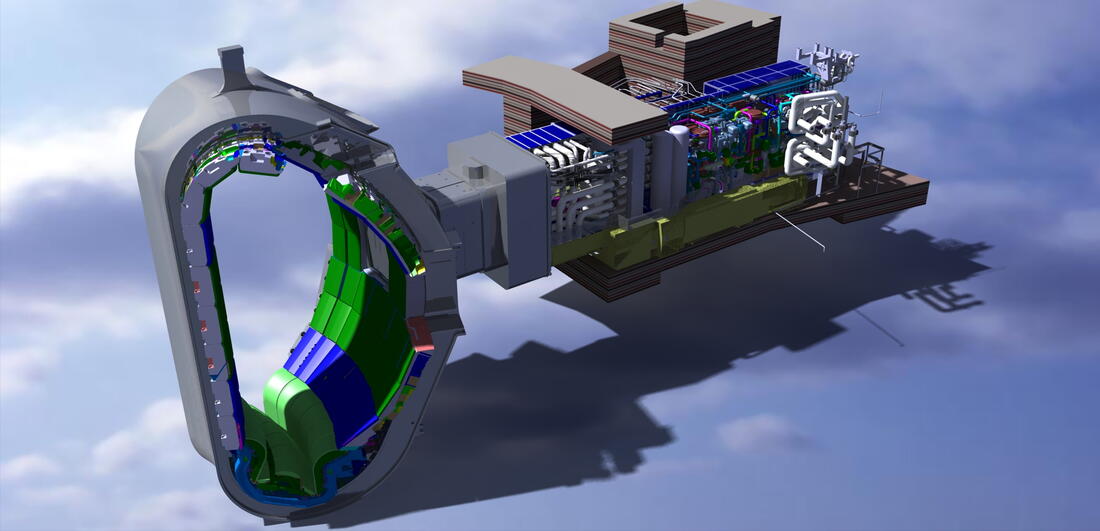
Fusion reactors produce tritium as part of their fuel cycle. Inside the reactor, hydrogen isotopes fuse and release energy. Tritium can be bred using lithium blankets around the reactor core. This approach offers a continuous tritium supply for fusion power plants. It supports the goal of clean and sustainable energy. Fusion reactor methods show promise for future large-scale tritium production.
Safety And Environmental Impact
Working with tritium requires strict safety rules. Tritium is a radioactive gas, so it needs careful control. Protecting people and the environment is very important. Understanding how to handle and store tritium safely helps prevent accidents. Proper waste management reduces environmental risks and keeps communities safe.
Handling And Storage
Tritium should be handled in well-ventilated areas. Using sealed containers stops gas leaks. Workers must wear protective gear to avoid exposure. Regular checks on storage tanks prevent damage or cracks. Storing tritium in secure places lowers the chance of spills. Clear labels warn about the radioactive nature of tritium.
Waste Management
Tritium waste must be collected carefully to avoid pollution. Special containers hold the waste safely for disposal. Treatment methods reduce radioactivity before disposal. Monitoring waste sites ensures no harmful leaks occur. Safe disposal protects water, soil, and air from contamination. Strict rules guide tritium waste handling to protect health and nature.
Future Of Tritium In Energy
Tritium is a rare and valuable fuel for future energy sources. It plays a key role in nuclear fusion, a clean energy type. Scientists work hard to produce and use tritium safely. The goal is to create steady, powerful energy with fewer emissions.
Its future depends on new technology and cost-effective methods. Advances in fusion power and commercial use will shape its role. The coming years will show how tritium fits into global energy needs.
Advancements In Fusion Power
Fusion power uses tritium and deuterium to create energy. It mimics the sun’s energy process on Earth. Researchers improve reactor designs to handle tritium safely. New materials help contain the extreme heat and radiation.
Better methods to produce tritium inside reactors are emerging. This reduces the need for external supplies. Fusion experiments show growing energy output and longer runtimes. These steps bring fusion power closer to real use.
Commercial Viability
For tritium energy to succeed, costs must fall. Producing tritium cheaply and safely is key. Companies and governments invest in pilot fusion plants.
These plants test how well tritium fuels energy at scale. If successful, fusion could compete with fossil fuels. This would create clean energy with less waste. Public support and clear regulations also matter a lot.
Frequently Asked Questions
What Is Tritium And How Is It Made?
Tritium is a radioactive isotope of hydrogen with one proton and two neutrons. It is made by bombarding lithium or heavy water with neutrons in nuclear reactors, causing nuclear reactions that produce tritium atoms.
Why Is Tritium Production Important?
Tritium is crucial for nuclear fusion, self-powered lighting, and scientific research. Its production supports energy development and military applications, making it a valuable and strategic resource.
Can Tritium Be Produced Naturally?
Yes, tritium occurs naturally in the upper atmosphere when cosmic rays collide with atmospheric gases. However, natural tritium is rare and insufficient for commercial or scientific use.
What Methods Are Used To Produce Tritium?
The main methods include neutron irradiation of lithium-6 in reactors and extraction from heavy water reactors. Both processes involve nuclear reactions that yield tritium efficiently.
Conclusion
Making tritium involves careful steps and strict safety rules. It takes special tools and knowledge to create it safely. The process helps in various fields like science and energy. Understanding how tritium is made shows its importance clearly. Always follow guidelines and respect the risks involved.
This keeps everyone safe and ensures good results. Learning about tritium opens doors to more science discoveries. Simple steps, clear rules, and safety make all the difference.