
Have you ever wondered what powers the glowing hands on your watch or makes emergency exit signs shine without electricity? The secret lies in a remarkable substance called Tritium.
This little-known element plays a big role in your everyday life, often in ways you don’t even notice. By understanding Tritium, you can unlock fascinating insights into science, safety, and technology that affect you directly. Keep reading, and you’ll discover how this glowing wonder works and why it matters to you.

Tritium Basics
Tritium is a rare form of hydrogen. It has unique properties that make it important in science and industry. Understanding tritium starts with learning what it is and where it comes from.
Its uses range from glow-in-the-dark devices to research in nuclear energy. Knowing the basics helps appreciate its role and safety.
What Is Tritium
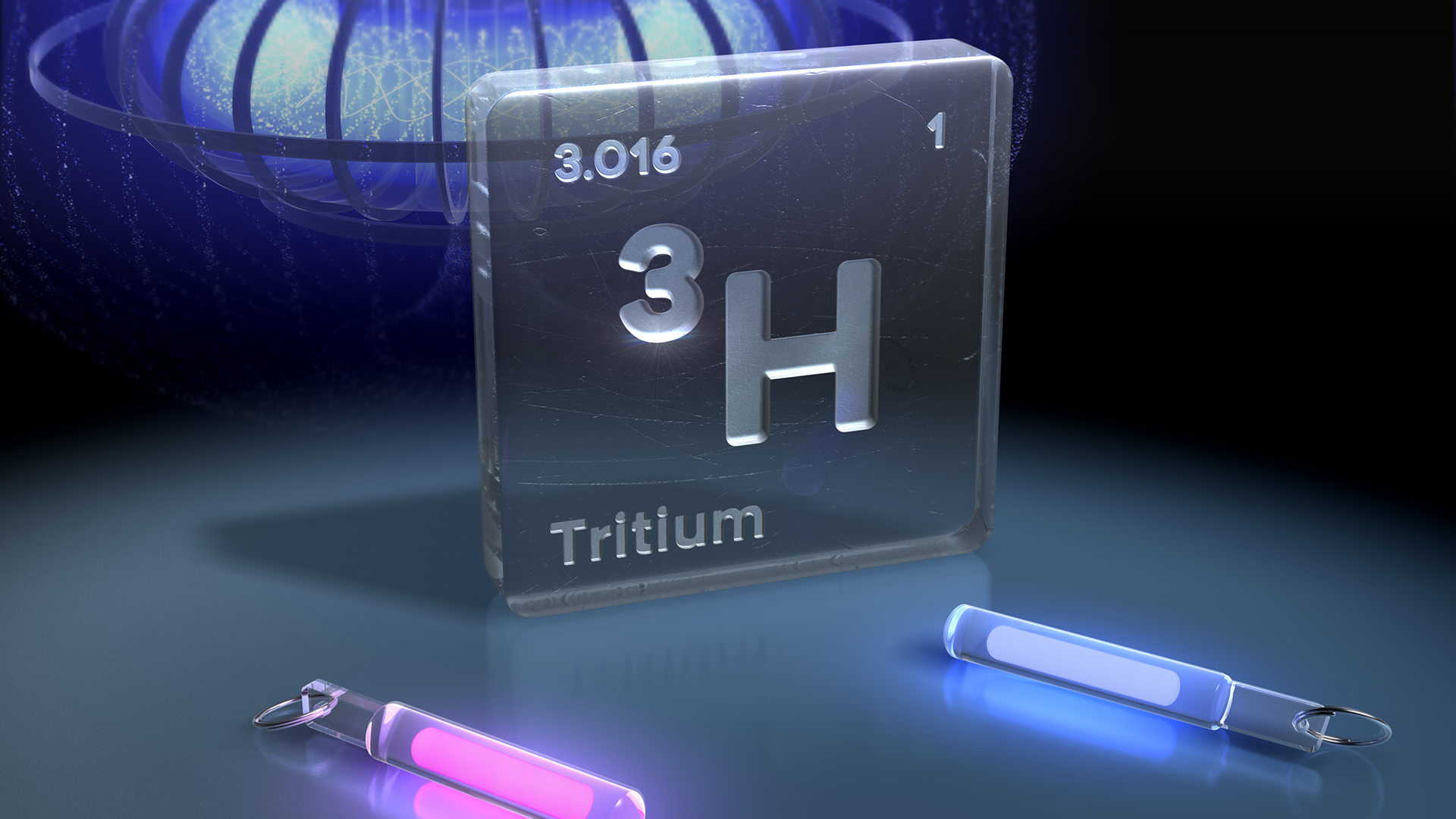
Tritium is a radioactive isotope of hydrogen. It contains one proton and two neutrons in its nucleus. This makes it heavier than normal hydrogen, which has no neutrons.
Its symbol is “T” or sometimes “³H.” Tritium emits low-energy beta radiation. This radiation is weak and cannot penetrate skin.
Because of its radioactivity, tritium decays over time. It has a half-life of about 12.3 years. This means half of a tritium sample turns into helium in that time.
Natural Occurrence And Production
Tritium is very rare in nature. It forms when cosmic rays hit the Earth’s atmosphere. These rays cause reactions that create tritium atoms.
Natural tritium joins water molecules and mixes into rain and oceans. Its amount is tiny but measurable.
Most tritium used today is made artificially. Nuclear reactors and particle accelerators produce it. They create tritium by bombarding lithium or heavy water with neutrons.
Artificial production allows control over tritium supply. It is used safely in various applications due to strict regulations.
Energy Applications
Tritium plays a key role in modern energy technologies. It is a rare form of hydrogen with unique properties. These properties make it useful in clean energy sources and futuristic power systems.
Scientists study tritium to find new ways to produce energy efficiently. Its use in nuclear fusion and hydrogen fuel cells shows promise. These methods aim to reduce pollution and increase energy output.
Tritium In Nuclear Fusion
Nuclear fusion mimics the sun’s process of creating energy. Tritium combines with deuterium to release large amounts of energy. This reaction produces helium and a neutron, along with heat.
The heat generated can then be converted into electricity. Fusion with tritium could provide a clean and abundant energy source. It does not produce greenhouse gases or long-lived radioactive waste.
Current research focuses on controlling fusion reactions safely. Tritium’s role is essential because it fuels the fusion process effectively.
Role In Hydrogen Fuel Cells
Tritium can also be used in hydrogen fuel cells. These cells generate electricity by combining hydrogen with oxygen. The process produces water as the only byproduct.
Using tritium in fuel cells may improve their efficiency. It offers a way to store and release energy cleanly. Fuel cells with tritium can power vehicles and portable devices.
This technology supports the shift toward renewable energy. It helps reduce reliance on fossil fuels and lowers emissions.
Medical Uses
Tritium plays an important role in medicine. It helps doctors see inside the body and treat some illnesses. Its unique properties make it useful in different medical fields. Below are key uses of tritium in medicine.
Radiolabeling In Diagnostics
Tritium is used to label molecules in the body. This process is called radiolabeling. It helps track how drugs move and work inside patients. Doctors use tritium-labeled compounds to study diseases at the molecular level. This method improves the accuracy of diagnostic tests. It also helps in developing new medicines by showing how they interact with the body.
Therapeutic Applications
Tritium can treat certain medical conditions through radiation. It emits low-energy beta particles that target damaged cells. This property helps in therapies for cancer and other diseases. Tritium’s controlled radiation minimizes harm to healthy tissues. Researchers continue exploring new ways to use tritium safely in treatments.

Industrial And Commercial Uses
Tritium is a valuable element used in many industries. Its unique properties make it useful in various commercial and industrial applications. The ability to glow without electricity is one key feature. This makes tritium ideal for lighting and signage in tough environments. The uses of tritium help improve safety and efficiency in workplaces.
Self-powered Lighting
Tritium is often used in self-powered lighting devices. These lights do not need batteries or external power. They glow continuously for years. This makes them perfect for remote places or harsh conditions. Workers can see clearly without worrying about power failures. Tritium lighting is common in tools, watches, and instruments. It provides reliable light without maintenance.
Safety And Emergency Signage
Safety signs made with tritium glow in the dark. They guide people during power outages and emergencies. These signs are used in factories, ships, and tunnels. The glow lasts for a long time without any power source. This helps workers and visitors find exits quickly. Tritium signs improve safety by making escape routes visible. They are strong and work in all weather conditions.
Environmental Impact
Tritium is a radioactive form of hydrogen used in various industries. Its impact on the environment raises important questions. Understanding this impact helps in safe handling and use. Tritium behaves differently from other radioactive materials. It mainly emits low-energy radiation, which affects its safety profile. Managing waste and contamination is key to reducing environmental risks. Proper methods protect both nature and human health.
Tritium’s Safety Profile
Tritium emits weak beta radiation that cannot penetrate skin. It poses little risk from external exposure. The main concern is ingestion or inhalation. Once inside the body, tritium can spread quickly. It binds with water and organic molecules. This makes it important to control releases into water sources. Environmental doses from tritium are usually very low. Its short half-life of about 12 years limits long-term hazards.
Managing Waste And Contamination
Proper containment prevents tritium from leaking into the environment. Waste from tritium use must be handled carefully. Facilities use sealed containers and controlled storage areas. Monitoring air and water near these sites is essential. Clean-up efforts focus on removing tritium-contaminated water. Techniques like evaporation or dilution reduce contamination. Safe disposal protects ecosystems and drinking water supplies. Training workers in safe practices also minimizes accidental releases.
Future Prospects
The future of tritium holds exciting possibilities. This rare isotope has great potential in science and industry. Researchers work hard to find new ways to use and produce tritium. The next years could bring important changes in how tritium supports energy and technology.
Advancements In Fusion Technology
Scientists aim to use tritium in fusion reactors. Fusion could provide clean and abundant energy. New reactor designs improve how tritium fuels fusion reactions. Safer and cheaper tritium production methods are in development. These advances bring fusion energy closer to reality. Tritium’s role in fusion makes it a key element for future power.
Emerging Applications
Tritium finds uses beyond energy. It helps in medical imaging and diagnostics. New devices use tritium for safer lighting. Environmental science benefits from tritium tracking water and air flow. Research explores tritium in new sensors and electronics. These emerging applications expand tritium’s value across industries.
Frequently Asked Questions
What Is Tritium And Where Is It Found?
Tritium is a radioactive isotope of hydrogen. It naturally occurs in trace amounts in the atmosphere and is also produced in nuclear reactors.
How Is Tritium Used In Everyday Life?
Tritium is used in self-luminous devices like watch dials, exit signs, and gun sights. It provides a glow without batteries.
Is Tritium Dangerous To Humans?
Tritium emits low-energy radiation and is generally low risk. However, ingestion or inhalation in large amounts can be harmful.
How Is Tritium Produced Commercially?
Tritium is produced by irradiating lithium or heavy water in nuclear reactors. It supports various scientific and industrial applications.
Conclusion
Tritium plays an important role in science and technology today. It helps produce energy and supports medical research. People also use it in watches and safety signs. Its unique properties make it valuable and interesting. Understanding tritium better can lead to new discoveries.
This small element has a big impact on many fields. Exploring its uses can inspire more innovation. Tritium remains a key part of modern science and industry.