
Imagine never having to fumble in the dark again. Whether you’re checking your watch at night or navigating through low-light conditions, a Tritium Marker can make all the difference.
You might wonder what makes it so special and why it’s become a favorite for many. You’ll discover how Tritium Markers work, why they’re reliable, and how they can improve your everyday life. Keep reading, and you’ll soon see why this small feature is a game-changer you don’t want to miss.
What Is A Tritium Marker
A tritium marker is a small device that glows in the dark without batteries or light charging. It uses a special kind of radioactive gas called tritium. This gas helps the marker shine continuously for many years. Tritium markers are popular in watches, signs, and tools. They provide clear visibility in low-light or no-light conditions.
Basic Composition
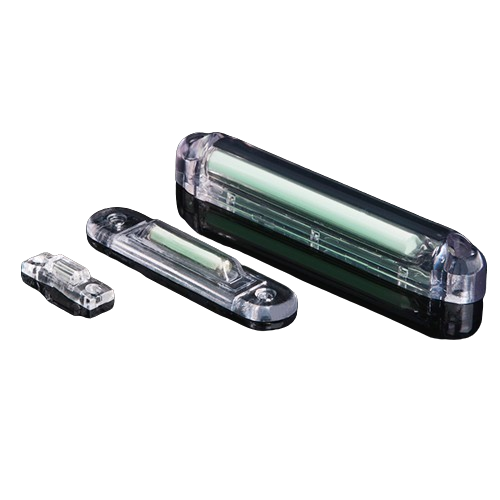
A tritium marker contains tiny glass tubes filled with tritium gas. The inside walls of these tubes are coated with phosphor. The tubes are sealed to keep the gas inside safely. Tritium is a weak radioactive material that emits low energy. This energy excites the phosphor coating, making it glow.
How It Glows
Tritium gas releases electrons through radioactive decay. These electrons hit the phosphor coating inside the tube. The phosphor then emits light. This process does not need sunlight or electricity. The light glows softly but steadily. It can last for about 10 to 20 years.
Common Uses
Tritium markers appear on wristwatches to show time in the dark. They are used in emergency exit signs for easy location. Some firearms have tritium sights for better aiming at night. Outdoor equipment and survival gear also use these markers. They help users see important details without extra light.

Advantages Of Tritium Markers
Tritium markers offer clear benefits for many uses. They provide consistent brightness, last a long time, and work without power. These qualities make them ideal for watches, signs, and safety gear. Understanding their advantages helps you see why they remain popular.
Brightness And Visibility
Tritium markers shine brightly in the dark. They use a small amount of radioactive gas to glow. This glow stays steady without needing light exposure first. You can easily see them in low-light or no-light conditions. This makes reading time or finding objects easier at night.
Longevity And Durability
Tritium markers last for many years, usually over a decade. The glow slowly fades but remains visible for a long time. They resist damage from water, heat, and shock. This durability suits outdoor and tough environments. You do not need to replace them often.
No External Power Needed
Tritium markers glow without batteries or electricity. They do not rely on sunlight or charging. This means they work anytime, anywhere, without maintenance. They are perfect for emergencies or places without power. You get reliable visibility without extra effort.
Types Of Tritium Markers
Tritium markers come in many types to fit different needs. These markers use tiny tubes filled with tritium gas. They glow without power, making them useful in dark places. Understanding the types helps choose the right marker for any use.
Tube Shapes And Sizes
Tritium tubes vary in shape and size. Small round tubes fit into watches and keychains. Thin, long tubes work well for gun sights. Some markers use flat tubes for larger surfaces. Size affects brightness and how long the glow lasts.
Color Variations
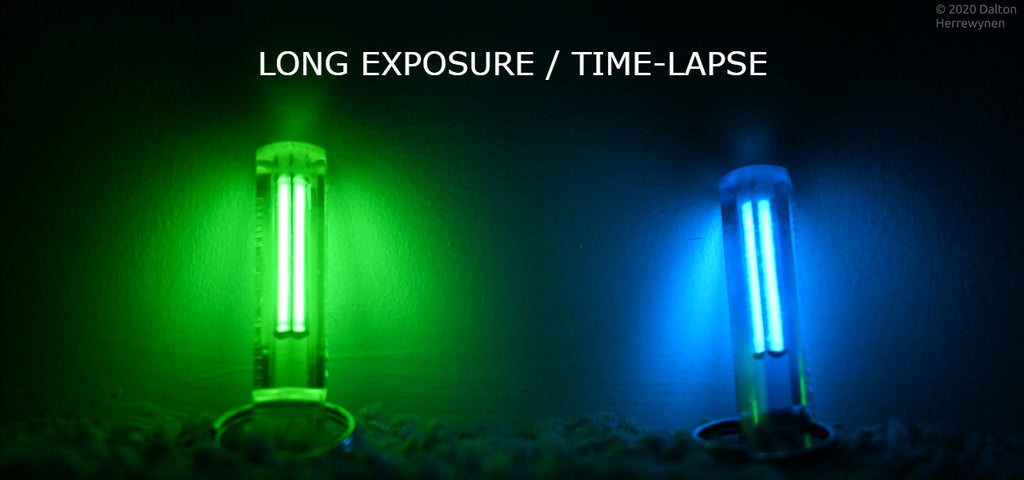
Colors vary in tritium markers to suit different uses. Green is the most common and brightest color. Orange and yellow tubes are also popular for contrast. Blue and red colors appear less bright but offer style options. Choosing the right color helps with visibility and design.
Application-specific Designs
Some tritium markers are made for specific tasks. Watchmakers use tiny markers that fit neatly on dials. Military gear often uses rugged, bright markers for night use. Safety signs use large tritium tubes for clear visibility. Designs match the needs of each application perfectly.
Safety And Handling
Tritium markers glow in the dark without batteries. They use a small amount of radioactive material. This makes safety and handling very important. Understanding how to use and dispose of them keeps everyone safe. It also protects the environment. Read on to learn about their properties and care tips.
Radioactive Properties
Tritium is a weak radioactive gas. It emits low-energy beta particles. These particles cannot pass through skin. The glow comes from phosphor reacting to beta particles. Tritium in markers is sealed inside glass tubes. This prevents exposure to the gas. The amount of tritium used is very small. It is safe when the marker is intact.
Safe Usage Guidelines
Handle tritium markers carefully. Avoid breaking or crushing the tubes. Do not open the tubes or inhale the gas. Keep markers away from children and pets. Store them in a cool, dry place. Use them only as intended. If a tube breaks, ventilate the area well. Clean up glass carefully with gloves. Avoid direct contact with the gas or powder inside.
Disposal And Environmental Impact
Dispose of tritium markers properly. Do not throw them in regular trash. Contact local hazardous waste facilities for guidance. Tritium decays naturally over 12 years. It does not build up in the environment. Proper disposal prevents any risk of contamination. Recycling programs may accept tritium markers. Check with local authorities to find options.
Choosing The Right Tritium Marker
Choosing the right tritium marker makes a big difference in usability. These markers glow without batteries or light exposure. They are perfect for low-light or no-light conditions. Picking the best one depends on your needs and the device it will go on. Focus on brightness, size, and compatibility to find the right fit.
Brightness Levels
Tritium markers come in different brightness levels. Some glow very bright, others more subtle. Bright markers are easier to see in total darkness. Dimmer ones work well for subtle markings or close range. Choose brightness based on how dark your environment is. Balance visibility with not being too bright for your eyes.
Size And Placement
Size matters for comfort and function. Small markers fit on tiny tools or watches. Bigger markers stand out more but need more space. Think about where you want the marker placed. It should be easy to see but not in the way. Placement affects how well you can read or use the item.
Compatibility With Devices
Not all tritium markers fit every device. Some are made for watches, others for guns or keychains. Check the shape and mounting style of the marker. Match it with the device’s surface and design. Proper fit ensures the marker stays secure and works well. Compatibility avoids damage and makes use simple.
Installing Tritium Markers
Installing Tritium markers is a simple process anyone can follow. These markers glow without batteries, using safe radioactive gas inside glass tubes. They are perfect for watches, keys, and tools that need to be visible in the dark.
Proper installation ensures the markers stay secure and last long. It takes just a few tools and some careful steps. After installation, basic maintenance will keep the markers bright and effective for years.
Tools Needed
- Small screwdriver set
- Precision tweezers
- Adhesive suitable for glass and metal
- Protective gloves
- Soft cloth for cleaning
Step-by-step Installation
- Clean the surface where the marker will go.
- Put on gloves to avoid oils on the marker.
- Use tweezers to pick up the Tritium marker carefully.
- Apply a thin layer of adhesive to the base of the marker.
- Place the marker firmly on the cleaned surface.
- Hold it steady for a few minutes to secure.
- Let it dry completely, usually 24 hours.
Maintenance Tips
- Keep the markers clean with a soft cloth.
- Avoid using harsh chemicals or abrasive materials.
- Check markers regularly for any looseness.
- Reapply adhesive if the marker starts to peel.
- Store items with Tritium markers away from extreme heat.
Popular Applications
Tritium markers glow without any power source. They use radioactive gas sealed in tiny glass tubes. This glow helps in dark or low-light places. Many products use tritium for easy reading and safety.
Below are common uses of tritium markers in daily life and special equipment.
Watches And Clocks
Watches often use tritium markers on hands and numbers. This makes it easy to see time at night. No light or batteries are needed. Clocks in dark rooms also use tritium for clear visibility.
Firearms And Tactical Gear
Tritium markers appear on gun sights and scopes. They help shooters aim in dark areas. Tactical gear, like knives and compasses, use tritium for quick location. This is vital for night missions and safety.
Emergency Signage And Equipment
Exit signs and emergency tools often have tritium lights. They stay visible during power outages. This guides people safely in dark or smoky conditions. Firefighters and rescue workers rely on this glow for quick action.
Comparing Tritium To Other Glow Technologies
Tritium markers offer a unique way to glow in the dark. They differ from many other glow technologies. Understanding these differences helps choose the right marker for your needs.
This section compares Tritium with other common glow methods. Learn how Tritium stands out in brightness, duration, and reliability.
Photoluminescent Markers
Photoluminescent markers absorb light and then glow slowly. They need sunlight or artificial light to charge. Their glow fades after a few hours in the dark. These markers are safe and simple but less bright at night.
Led Markers
LED markers use small lights powered by batteries. They shine brightly and can flash or change color. LEDs work well in many conditions but need power sources. Batteries may run out or need replacement.
Advantages Over Alternatives
Tritium markers glow without light charging or batteries. They provide a steady and reliable glow for many years. These markers work well in total darkness. They require no maintenance and are very durable.
Frequently Asked Questions
What Is A Tritium Marker Used For?
A tritium marker provides constant, self-powered illumination. It is commonly used in watch dials, gun sights, and emergency signs. Tritium emits light without batteries or external power, making it ideal for low-light or no-light conditions. It enhances visibility and safety effectively.
How Long Do Tritium Markers Glow?
Tritium markers glow for about 10 to 20 years. The radioactive gas inside slowly decays, reducing brightness over time. Most markers remain visible for at least a decade without recharging. This long-lasting glow is useful for devices requiring reliable low-light visibility.
Are Tritium Markers Safe To Use?
Yes, tritium markers are generally safe. The gas is sealed within tiny glass tubes, preventing exposure. It emits low-energy beta radiation that cannot penetrate skin or glass. Proper handling and regulation ensure tritium markers pose minimal health risks.
Can Tritium Markers Be Recharged Or Replaced?
Tritium markers cannot be recharged since they rely on radioactive decay. Once brightness fades, the marker must be replaced. Replacement involves swapping out the tritium vial or the entire component. This ensures consistent illumination over the product’s lifespan.
Conclusion
Tritium markers offer bright, long-lasting light without batteries. They help you see clearly in dark places and work quietly. These markers are small, safe, and easy to use. Many people trust them for watches, tools, and safety gear. Choosing tritium means steady light anytime you need it.
Simple, reliable, and effective – that’s what tritium markers provide. They make night tasks easier and safer for everyone. Consider them for your next project or everyday use. Bright light that never quits.